In Conversation with Wang Kuo, Art Director of Octopus with Broken Arms
Octopus with Broken Arms claimed the “Golden Romduol Award” for Best Art Direction at the 3rd Cambodia Asian Film Festival. For the film, Art Director Wang Kuo built the core visual anchor of “darkness and light”, tightly interweaving local Thai folk customs and symbolic props with the core narrative. From the filming location of an unfinished abandoned seaside temple, to Buddha statues embedded with metaphors of karma, as well as the recurring octopus motif and echoing stacked TV walls, every detail functions not merely as set dressing, but as a visual extension of the characters' fates and the film's central themes.
In this exclusive interview, we sit down with Mr. Wang Kuo. Drawing on his two decades of experience in film art design and the full creative process of Octopus with Broken Arms, we unpack the exquisite craftsmanship and thoughtful design choices behind the film's suspenseful atmosphere and emotional resonance.
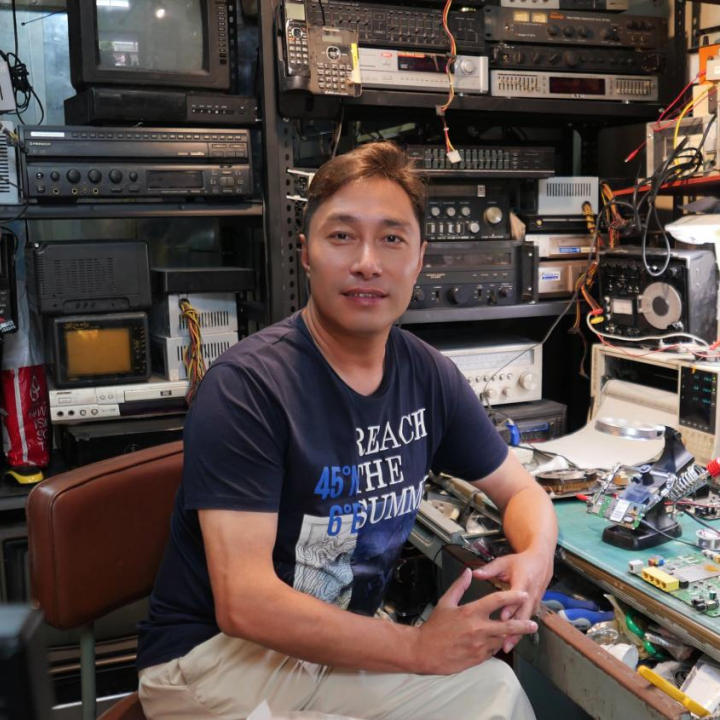
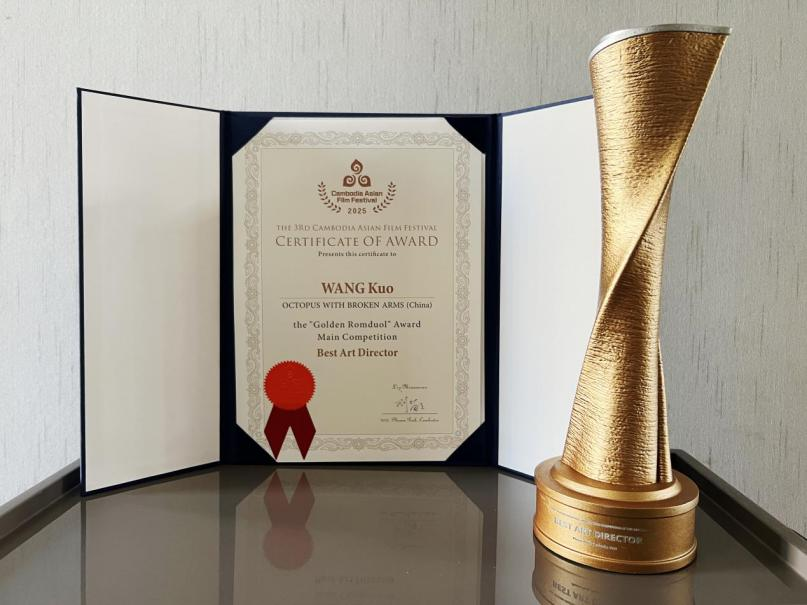
Wang Kuo
Art Director
Member of China Film Association
Director of China Film Art Society
Member, Art Design Branch Academy of Motion Picture Arts and Sciences
Filmography
Octopus with Broken Arms, The Flowers of War, The Great Wall, Duckweed, Pegasus, Schemes in Antiques, Mozart from Space
Q1:
After reading the script, how did you refine the core visual concept of “darkness and light”? Which specific scenes or plotlines directly inspired your creative vision?
Wang Kuo:
“When analyzing the script, I spotted an intense duality in protagonist Zheng Bingrui's personality and actions. He yearns to abandon his violent past, bury his mistakes and turn over a new leaf. Yet whenever conflicts over interests arise, the ghosts of his history prove nearly impossible to shake off. This constant tug-of-war between light and darkness became the core anchor guiding all our set and prop design, and we layered intricate details around this theme throughout production.
Take the abandoned temple set as an example. We discovered an unfinished seaside temple long before its corresponding scenes were finalized in the script. Its texture and architectural structure carried extraordinary cinematic weight, and its half-completed, abandoned state perfectly mirrored Zheng Bingrui's character arc. Though he strives for redemption, he is trapped by countless entanglements. Much like this incomplete temple, salvation stands as an unreachable shore, a utopia he can never grasp.
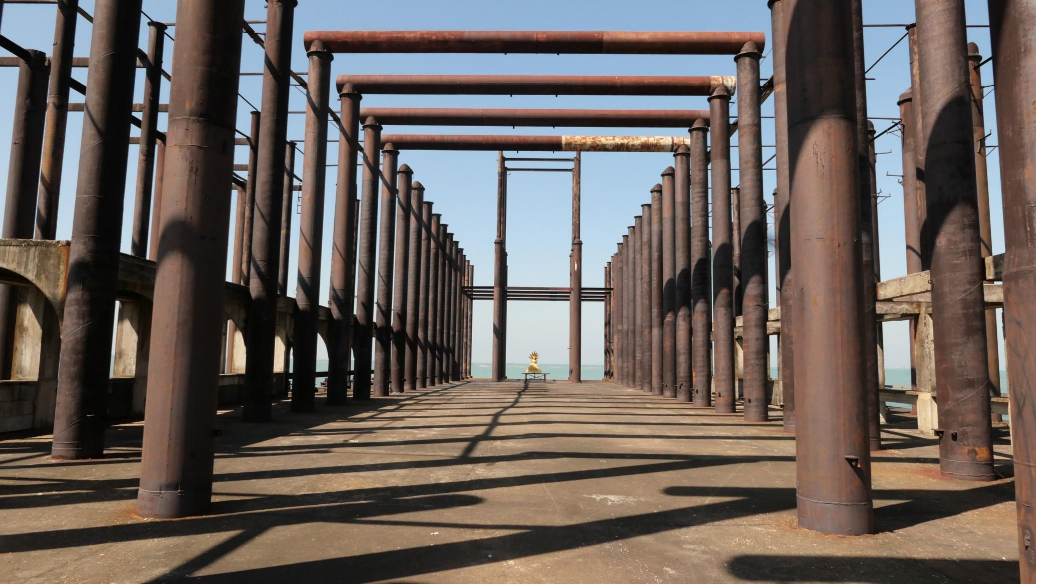
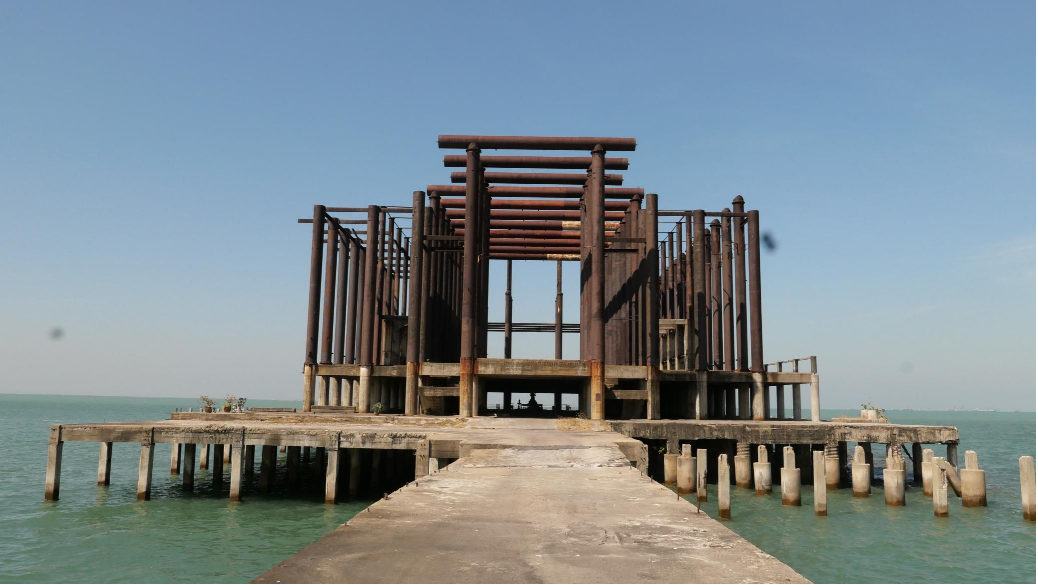
Originally, this location only hosted a brief dock sequence where he boards a ghost ship. Recognizing its potential to deepen Zheng Bingrui's inner world, we expanded this transitional scene into a pivotal emotional beat. We added a subtle detail: an old photograph of him posing with a senior monk in front of architectural renderings of the fully finished temple. The unfinished temple symbolizes his unfulfilled self-redemption, and the vision of a completed temple in the drawing turns into nothing but a mirage he can never reach to escape his past.”
Q2:
Octopus with Broken Arms was shot on location in Thailand, incorporating abundant local folk visual elements. What unique designs did you craft for scene details including architectural textures, daily props and traces of everyday life? How did you balance the dramatic tension required for a thriller with the authentic texture of real Thai locations?
Wang Kuo:
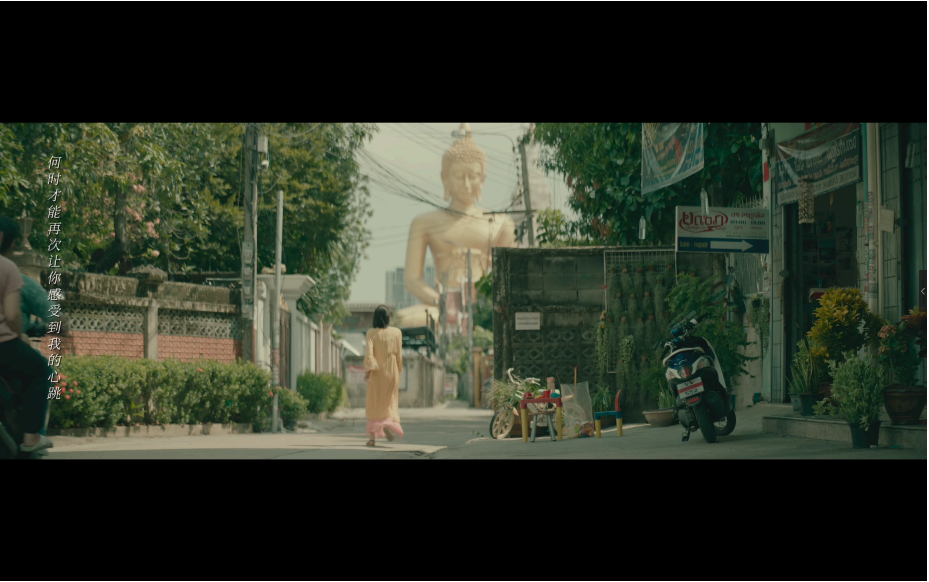
“Thailand is deeply steeped in religious culture, so we leveraged religious imagery to convey the film's emotional undercurrents during production. For instance, the electronics shop where Tinaya abducts Alu and Yayin's children sits in an alley with an unobstructed view of a giant Buddha statue.
During pre-production, I discussed with the director: most thriller crime sequences unfold in shadowy corners, yet child abduction is a crime committed under broad daylight. We wanted to boldly depict “evil beneath the sun”. It is only in seemingly safe surroundings that parents let their guard down. We therefore staged the abduction in the alley facing the Buddha. We renovated several empty adjacent residences into the electronics shop, framing Tinaya's kidnapping of Yayin's child under the Buddha's watchful gaze. Later, when Tinaya takes her own life in her apartment, she also dies beneath a household Buddha statue, behind which Yayin hides a surveillance camera. These two Buddha statues form visual symmetry, subtly echoing the film's motifs of karma and samsara through art direction.
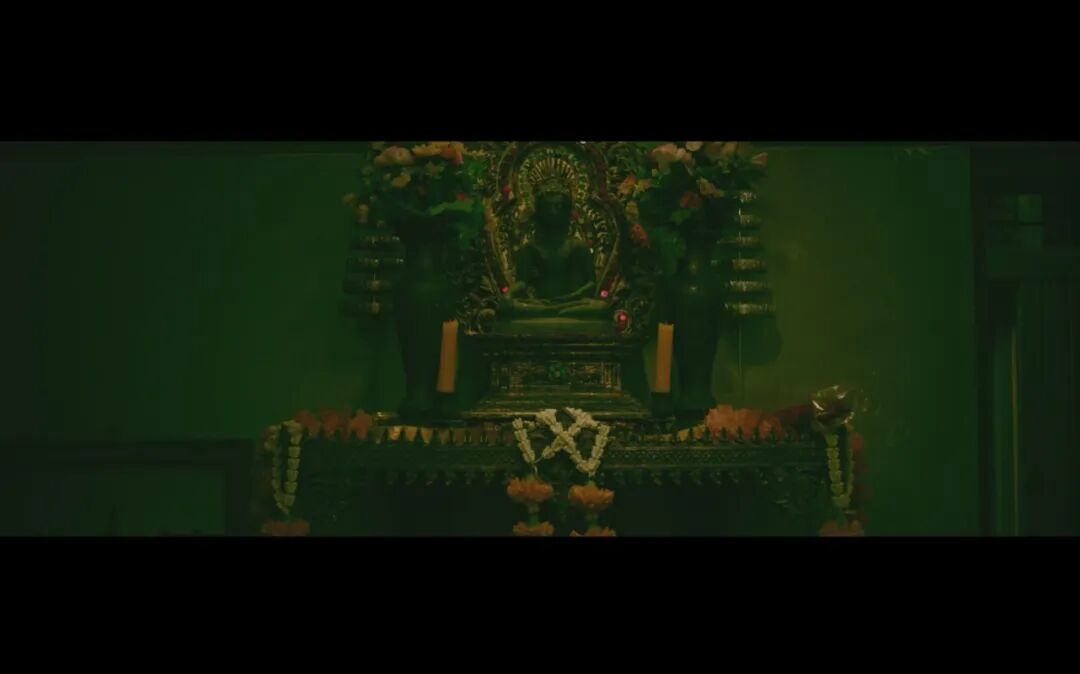
We also integrated distinct Southeast Asian cultural symbols. In the shipyard sequence depicting the “619 Incident”, a boat explosion claims the lives of children aboard. We could not directly depict the gruesome fate of the kids, so we used damaged puppets to deliver psychological impact. The puppets draw aesthetic references to traditional Southeast Asian marionettes; their broken frames and eerie expressions communicate the cruelty of the incident and the harm inflicted on the children without explicit on-screen violence.”
Q3:
The recurring octopus motif leaves a deep impression on audiences, appearing in the opening stage play and the fish tank in the protagonist's home. It cleverly echoes the core themes of familial bonds and tangled sin. How did you settle on the octopus as your central visual symbol? Did you carefully consider the rhythm of audience visual perception when designing and placing these props?
Wang Kuo:
“The octopus motif was embedded in the original script from the start. The imagery of severed octopus tentacles embodies the emotional bond between parents and children, as well as the sacrifices caregivers make for their kids. We introduced this symbol from the opening theatrical set. Alongside child performers dressed as small octopuses, we designed a sunken shipwreck at the center of the ocean-themed stage, which alludes to the 619 Incident. Tiny octopus figurines are hidden within the ship's portholes, symbolizing the children trapped aboard the vessel.
Octopus imagery also appears in Li Huiping's home: an octopus slowly drifts across the fish tank while Li Huiping talks to Zheng Bingrui. This scene offers Zheng Bingrui his final chance at redemption, and the octopus stands as a mother's plea for his salvation, which is why we deliberately placed this visual here. After the stage play ends, red, yellow and blue octopus patterns mark the three characters'arms; while they appear to represent emotional connection, the colors carry hidden symbolic subtext.”
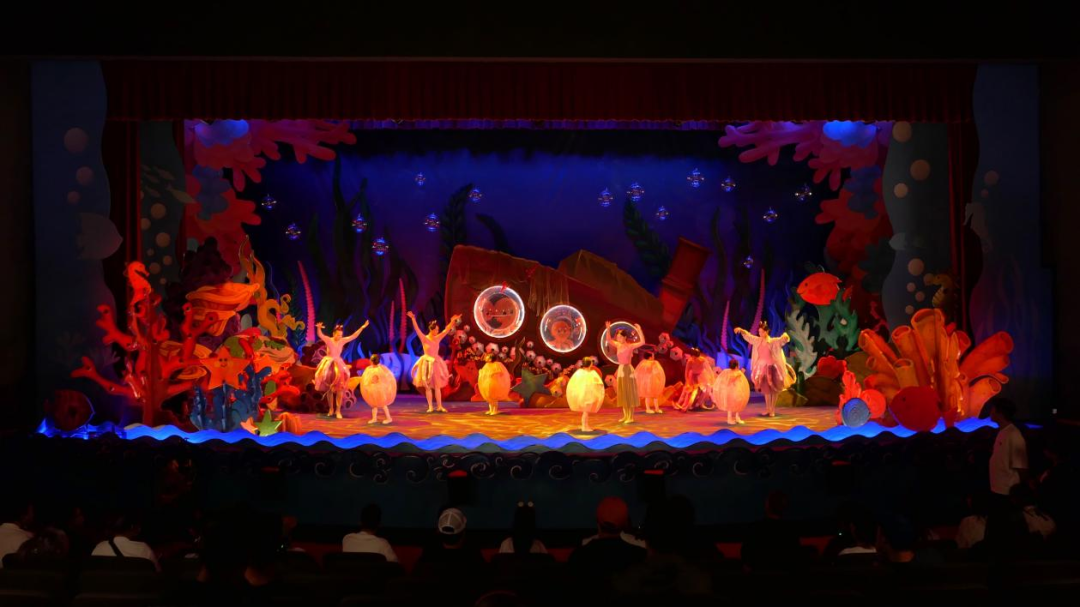
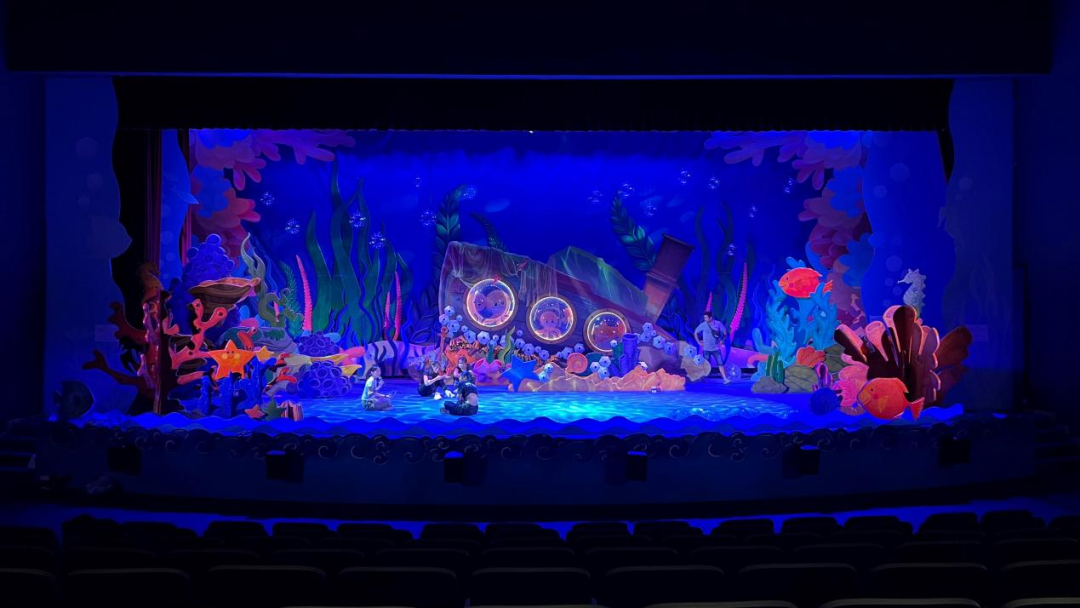
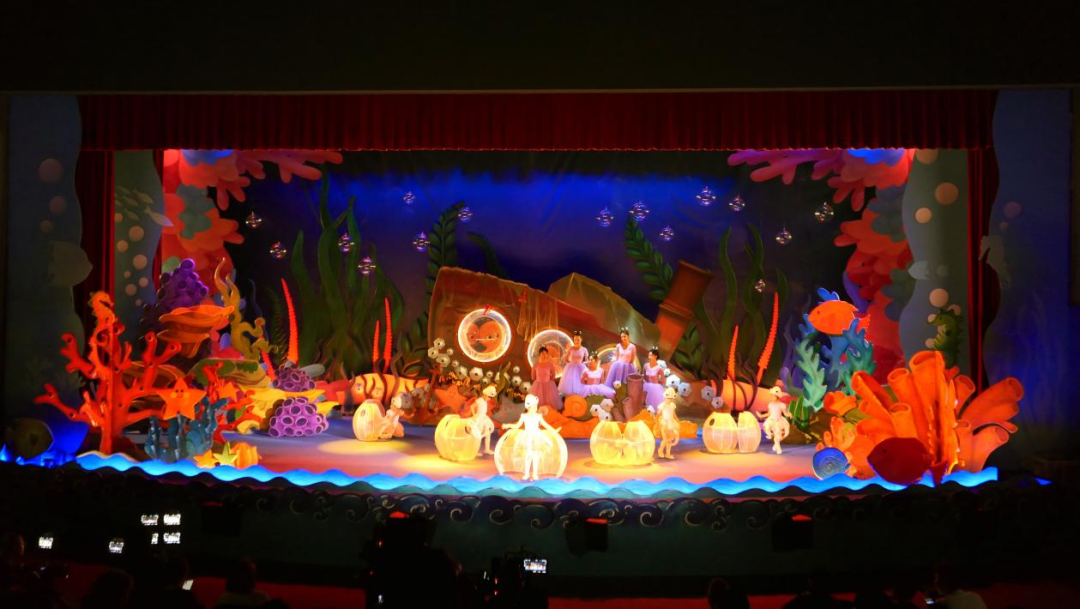
Each hue bears a defined thematic meaning within the film. Red signifies murder and sin, featured prominently in scenes tied to violence, such as the red wallpaper in Tinaya's residence and crimson lighting in the room where children are killed. Yellow carries religious connotations and stands for redemption, exemplified by the opening river bathing Buddha ritual that symbolizes Zheng Bingrui's pursuit of atonement. Blue sits between red and yellow, representing balance, and we deployed it extensively throughout the police station sets.
We meticulously planned prop design and placement to guide audience visual rhythm. In Alu and Yayin's electronics shop, we constructed a stacked wall of small televisions, allowing kidnapped Shi Fu'an to witness footage of his wife's murder. Later, inside the ship cabin, we built an identical stacked TV wall. This deliberate visual callback signals to the audience that the perpetrators behind the electronics shop and shipyard incidents are the same group.
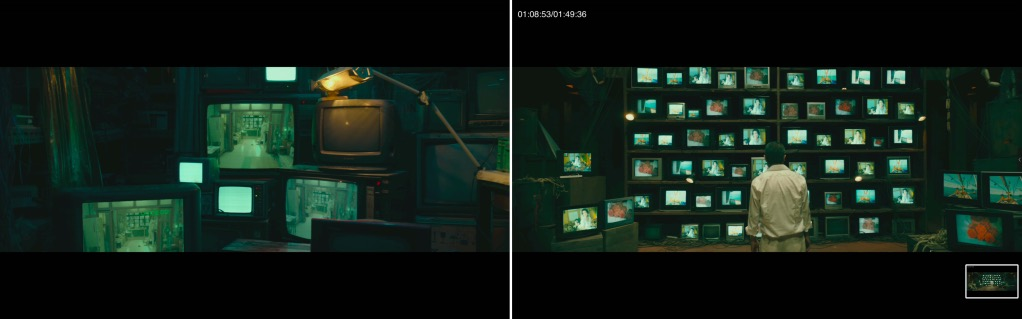
We chose stacked TV screens rather than a single large monitor for specific narrative reasons. The script originally called for one massive screen in the cabin, yet modern audiences have seen enormous displays everywhere and would not be stunned by a single oversized monitor. Repeating fragmented footage across stacked screens creates a visceral sensory shock. When Tingting cries “Dad” across dozens of screens, her voice echoes endlessly, delivering a far more piercing blow to a father's mental defenses than isolated audio or visuals ever could.”
Q4:
During the art design process for Octopus with Broken Arms, how did you prioritize location set construction, character styling and cross-department visual coordination? What key compromises or clever design solutions delivered powerful visual effects efficiently?
Wang Kuo:
“After location scouting, we drafted design blueprints and aligned them with producers, the director and all key creative departments. We then tabulated construction timelines and estimated budgets for every scene to clarify execution priorities. We coordinated shooting schedules with the first assistant director, while aligning set dressing and fabrication timelines with the prop and construction teams to rank tasks by urgency. Filming in Thailand coincided with rainy seasons, so we prioritized completing core indoor builds—the ship cabin, Tinaya's apartment and the centralized police station set—well in advance to avoid production delays caused by extreme weather.
There were inevitable trade-offs and happy accidents. Filmmaking always involves compromises; not every location concept can be fully realized. For the police station, the site we ultimately used is a common filming backdrop in Thai productions. We initially sought a fresh location: a brutalist building constructed in the 1970s. I loved its architectural silhouette, yet it operates as a school with extremely limited shooting and renovation windows, forcing us to abandon the space.
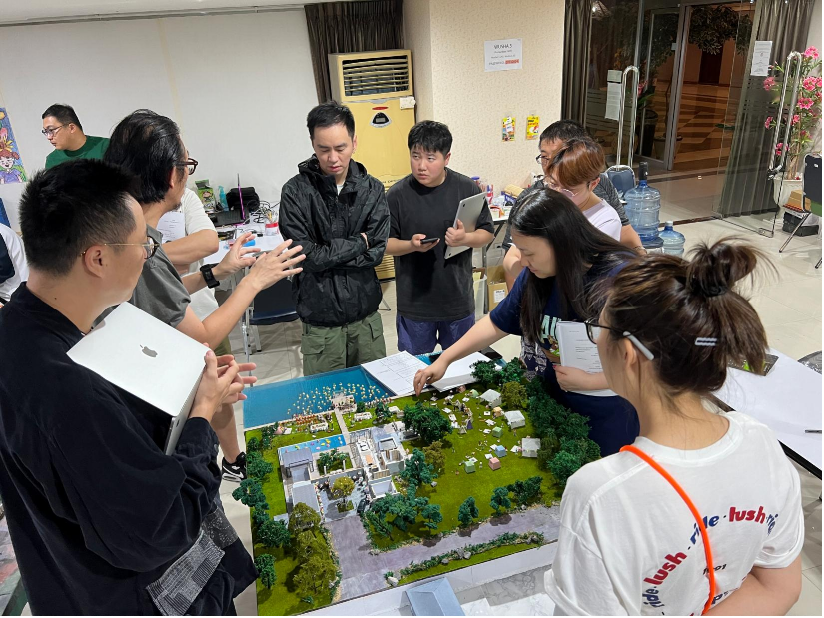
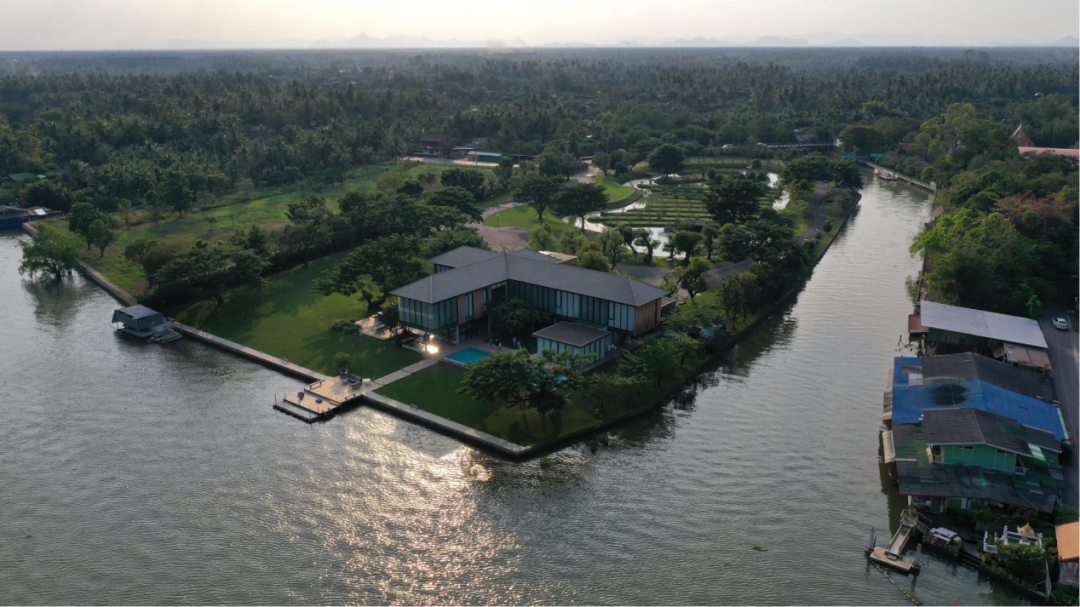
We also stumbled upon a serendipitous location for the villa featured in Zheng Bingrui's opening sequence. Local location managers first recommended numerous standard filming villas, yet none matched his identity as a newly wealthy elite. His residence required contemporary architectural design, while most Bangkok villas leaned traditional or lacked sufficient scale. After an hour's drive from central Bangkok, we found a sleek modern villa, and after multiple rounds of negotiations, the owner granted us filming rights. Uniquely, it only features a boundary wall facing the road, with open waterways surrounding the other two sides. The bathing Buddha ritual and villa scenes were originally separate shooting locations, but this waterside villa allowed us to merge the two sequences, staging the river ceremony directly on the property's waterways. This seamless integration tightened narrative pacing and amplified the suspense of the opening act.”
Q5:
As an art director, what do you believe is the most vital function of art design within thriller films? During the creation of Octopus with Broken Arms, is there any art detail you feel conveys narrative information wordlessly, with greater expressive power than dialogue?
Wang Kuo:
“Above all else, art design builds immersive atmosphere in thriller films—a function of immense importance. Thrillers feature dense dialogue, rapid-fire information and frequent cuts. To leave lasting visual impressions amid such fast-paced stimulation, every set must possess a distinct dramatic mood. For example, Wu Day's laboratory appears briefly on screen, so we amplified its core chemical equipment aesthetic to craft an instantly recognizable environment. The dock run by the boat captain leans into a bustling fish market theme, amplifying its gritty, worldly character to make the location instantly memorable.
Beyond atmosphere, art direction can convey plot beats silently, often more powerfully than lines of dialogue. Two standout examples illustrate this. First, the sequence set in Tinaya's home: we needed a visual reveal that Tingting is hiding directly next door at Yayin's residence. We designed a single tracking shot that glides horizontally across Tinaya's red wallpaper, passes through the shared wall between the two homes, and lands on identical red wallpaper in Yayin's apartment. No dialogue is needed—the camera movement and matching set design alone expose Tingting's hiding spot. To achieve this one-take reveal, we built two mirror-image rooms on a soundstage, constructing the dividing wall as a removable modular panel to enable the uninterrupted tracking shot.
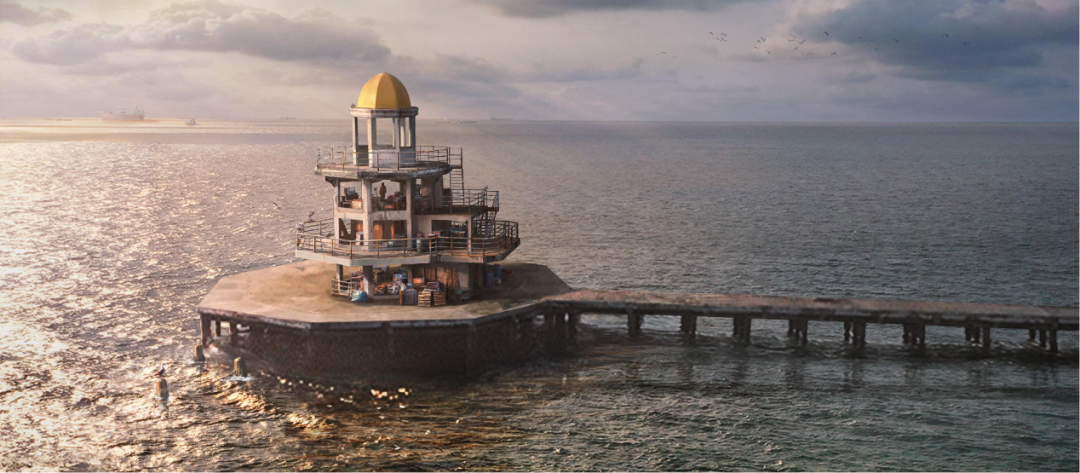
Second, the lighthouse sequence featuring Yayin in the film's climax. The original script separated the lighthouse and ship cabin into two distinct locations, with Yayin atop the lighthouse and the cabin along the shore. After discovering our actual lighthouse filming site, we restructured the design around its tiered layout: Yayin occupies the third level, the yellow ship cabin sits on the second floor, and the ground level holds leftover construction debris from the lighthouse's construction. As the camera pulls back from the second-floor cabin to frame Yayin against the full lighthouse structure, audiences realize this cabin is not the wrecked hostage vessel from the 619 Incident—it is a fabricated set built beneath the lighthouse by Yayin and other grieving parents. This pivotal plot twist unfolds entirely through production design and camerawork, without a single line of explanatory dialogue.”
Q6:
What advice would you share with young people aspiring to enter film art design? Which core qualities do you believe form the foundation of a sustainable career in this field?
Wang Kuo:
“I've reflected deeply on this question, wondering what wisdom I can pass on to emerging artists. I graduated and entered the film art industry in 2005, marking twenty years of professional work to date. Truthfully, I envy their youth.
The film industry has transformed drastically over these two decades, with constant upgrades to design software, construction materials and production technology. When I first started as an art assistant, all blueprints were hand-drawn by pencil; today, countless digital design tools streamline workflows. Given these sweeping technical shifts, I cannot offer rigid technical advice for newcomers.
Two core values, however, remain timeless. First, unwavering passion for cinema. New media formats and alternative viewing platforms have challenged traditional theatrical exhibition. Only enduring faith and love for the medium will sustain a long, stable career. Second, sincere respect for filmmaking. My new film Wandering Life recently premiered, and a producer friend who shoots extensively in Thailand messaged me—he is Chaoshanese, and said the film's locations stirred intense homesickness within him. Even as audiences enjoy an ever-expanding range of visual content, we still believe in cinema's unique power to move hearts and deliver emotional warmth. We must approach every film, every set and every audience with complete sincerity.”
Notes
Awarded the “Golden Romduol Award” for Best Art Direction at the Cambodia Asian Film Festival, Octopus with Broken Arms sets a new benchmark for thriller art design, thanks to Wang Kuo and his team's refusal to treat sets as mere backdrops for plot. Instead, they unlocked the layered narrative potential of production design, where art itself drives storytelling. These seemingly understated visual choices reflect rigorous analysis of character, plot and thematic core, crafting immersive suspense while quietly weaving motifs of karma and redemption throughout the frame.
This exclusive interview grants rare insight into the quiet labor behind the camera. The meticulous craftsmanship showcased not only earned Octopus with Broken Arms international acclaim, but also embodies the magic of film industry craft. Every outstanding cinematic work relies on this quiet, masterful professionalism—the core value we aim to convey to readers through this feature.