In Conversation with Dastan Zhapar Ryskeldi, Director of Deal At The Border
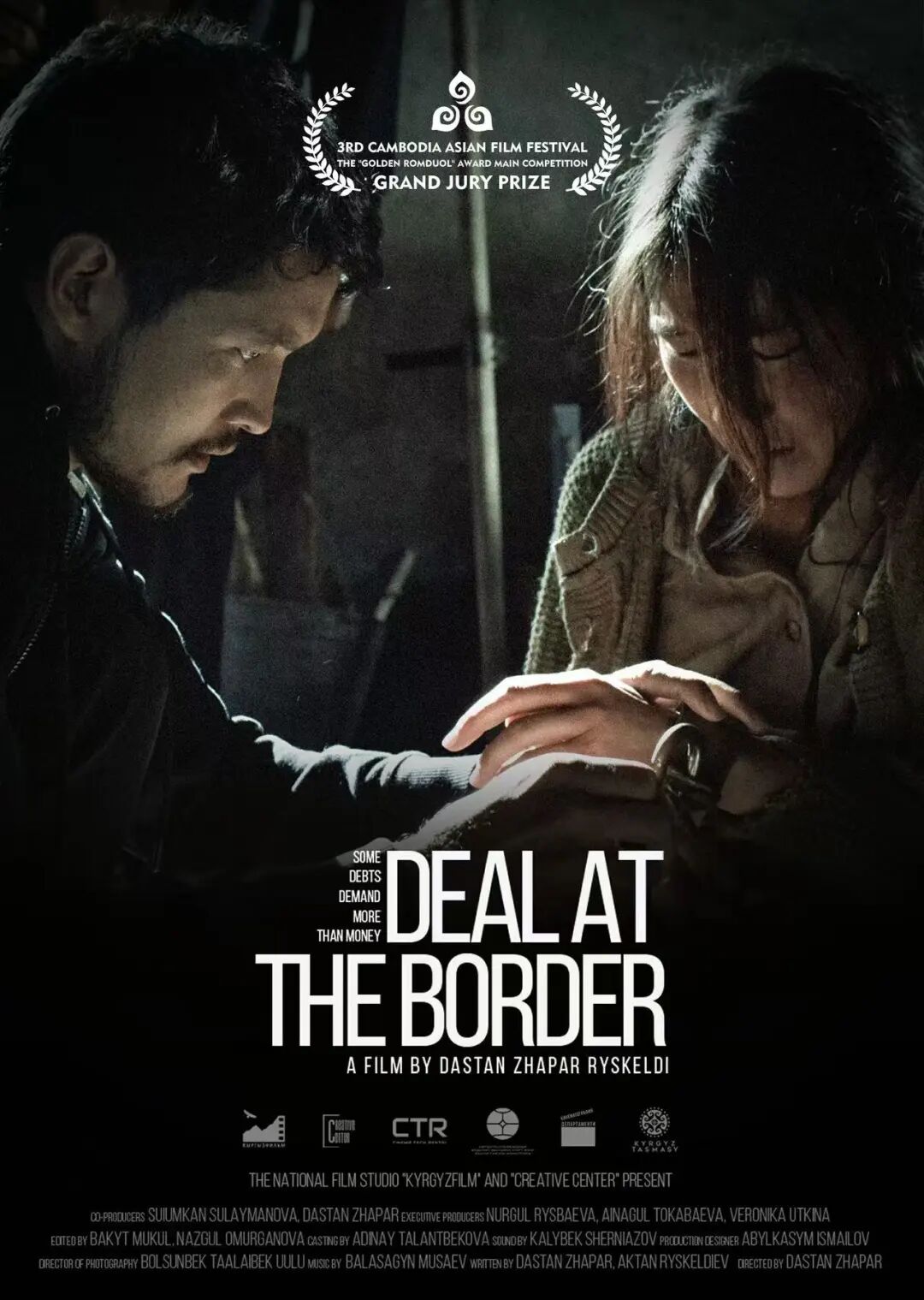
When borders and trafficking intersect, audiences readily envision tense standoffs and tangled power struggles driven by self-interest. Yet the Kyrgyzstan feature Deal at the Border breaks free from established genre tropes. Set against the sweeping steppes and rivers along the Kyrgyz-Kazakh frontier, the film employs calm, delicate cinematography to unfold a redemptive tale of two men branded as drug dealers who risk everything to rescue an abducted girl. Eschewing deliberate accusations and explosive shootouts, it lets the grave issue of human trafficking resonate powerfully through the shifting fates of its characters. This work claimed the Jury Recommended Grand Prize under the “Golden Romduol Award” at the 3rd Cambodia Asian Film Festival. Garnering international acclaim, it stands as an outstanding cross-cultural benchmark examining human nature and harsh real-world realities.


Dastan Zhapar Ryskeldi
Renowned Kyrgyz Director
Filmography
1、A Father's Will
Nominated for Best Screenplay at Asia Pacific Film Festival
Selected for Competition Section, 2018 SCO Countries Film Festival
2、Deal at the Border
Shortlisted for the JISEOK AWARD Section at the 29th Busan International Film Festival
Winner of the Jury Recommended Grand Prize, Golden Romduol Awards, Main Competition Section, 3rd Cambodia Asian Film Festival
Q1:
Congratulations again on your film winning the Jury Recommended Grand Prize under the “Golden Romduol Award” in the Main Competition Section of the 3rd Cambodia Asian Film Festival. How did you feel upon hearing the news, and what does this award signify to you?
Dastan Zhapar Ryskeldi:
“I was filled with genuine joy upon receiving this prestigious award. Right after learning the result, I immediately called every member of the crew to share this celebration. This honor is never a one-man achievement; it belongs to every teammate who poured their heart into this project. I would like to extend my sincere gratitude to CAFF, the organizers, the submission committee and all jury members for their recognition.
I firmly believe the jury was moved by the film's authentic texture, the cast's masterful performances, the real-world weight of its subject matter, the artistic language of its cinematography, and my sincere emotional bond with this story. I have always held fast to one belief: when you devote yourself to filmmaking with wholehearted passion and unfeigned sincerity, that authenticity will always resonate with both audiences and judges alike.”
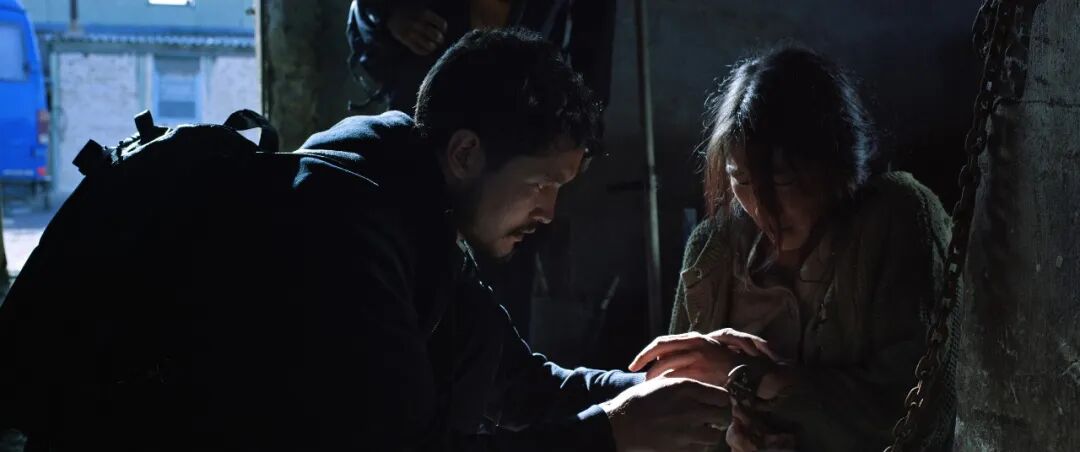
Still of Deal at the Border
Q2:
During the script development phase, did you draft alternative fates for Nazik? What core considerations guided you to settle on the depiction featured in the final cut?
Dastan Zhapar Ryskeldi:
“I conceived numerous different endings for Nazik during the writing process. Eventually, I realized only this version could fully lay bare the depth and core tragedy of the story. In both literary and cinematic storytelling, female figures often serve as a metaphor for one's homeland, so crafting such a sorrowful fate carried profound meaning for me. Regrettably, this fictional arc mirrors harsh real-life realities: many of my compatriots, women in particular, fall victim to human trafficking — an issue that fills me with constant sorrow and concern.”
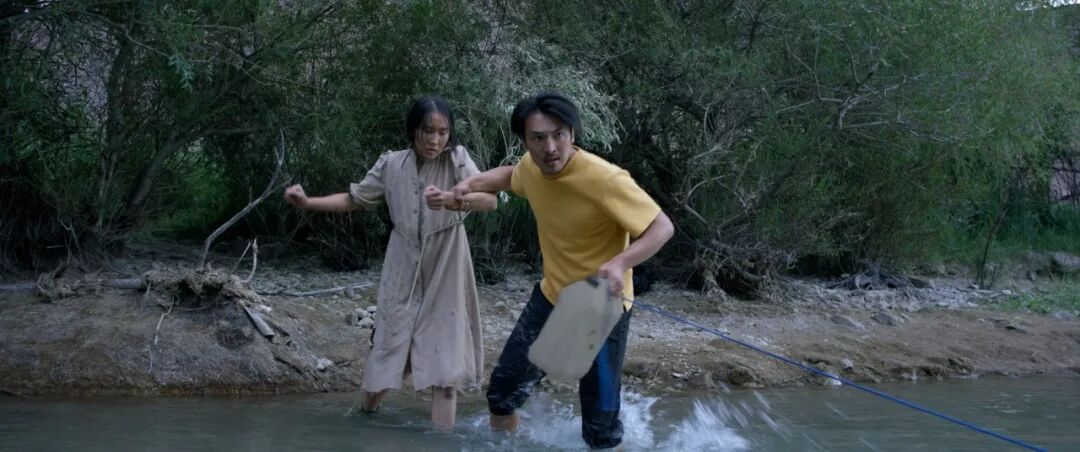
Still of Deal at the Border
Q3:
The film closes with a gunshot that hints at protagonist Aza's fate, without showing the shooting on screen. Was this open-ended treatment intended to invite audiences to ponder his ultimate destiny? What do you envision becomes of Aza in your mind?
Dastan Zhapar Ryskeldi:
“We deliberately chose not to depict the shooting visually. I wanted to leave space for the audience's imagination, letting each viewer define Aza's fate for themselves. Though his story ends in tragedy, I strived to preserve a faint glimmer of hope within the narrative. Those who pay a devastating price for their convictions deserve better prospects, which makes this tragic ending a fitting, logical counterpoint. I hold the character Aza close to my heart, as I truly believe redemption was within his reach. I intentionally leave the interpretation of his final fate entirely to every viewer.”
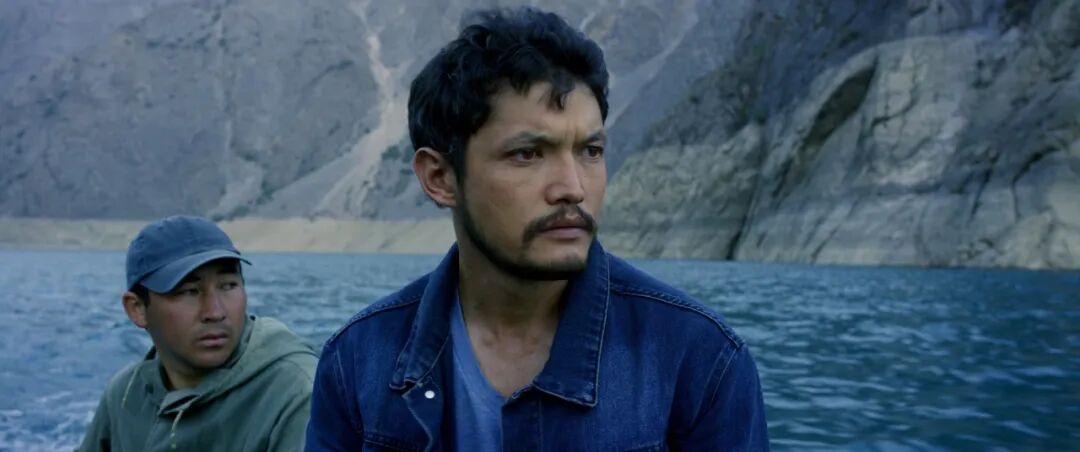
Still of Deal at the Border
Q4:
You once shared that you earnestly hope this film can resonate on multiple levels, stir audiences' emotions, spark reflection, and even inspire meaningful change as viewers contemplate its central themes. How did you shape narrative structure, character arcs and cinematography to achieve this multi-layered resonance and transformative impact?
Dastan Zhapar Ryskeldi:
“To me, the true value of narrative construction and character development lies not in handing audiences ready-made conclusions, but in crafting authentic, immersive emotional experiences. The story is structured to draw viewers gradually into the characters'worlds, inviting them to observe every choice and inner transformation, rather than spelling out simplistic takeaways.
Balanced narrative pacing was critical to the film. We adopted restrained cinematic language: we stripped back overt dramatic flourishes, relying instead on lingering shots and visual metaphors to delicately unfold the protagonists' inner evolutions. This technique creates multi-dimensional emotional resonance — plot beats, character psychology and core themes echo one another, allowing audiences to grasp the film's deeper meaning without excessive exposition.
I am convinced this creative approach can drive genuine change. Rather than relying on heavy-handed moralizing, it leverages empathy to prompt self-reflection among viewers.”
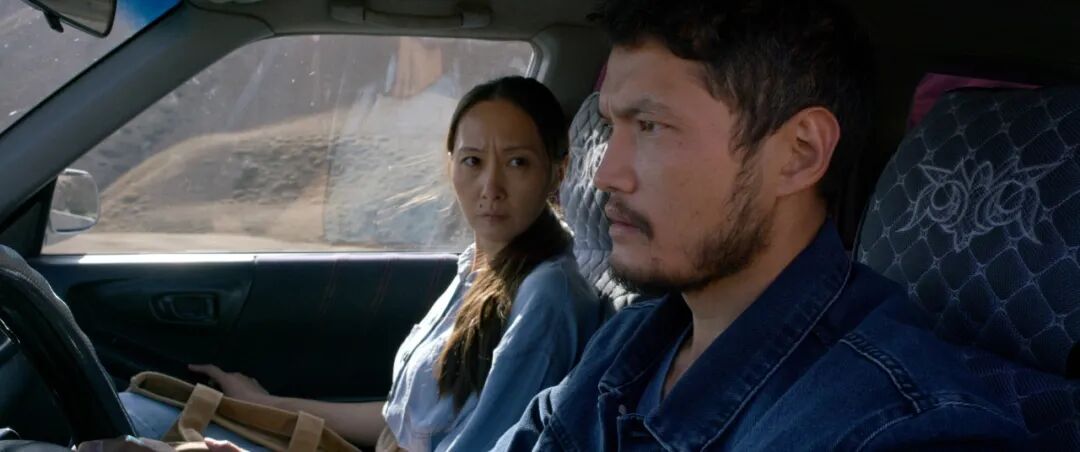
Still of Deal at the Border
Q5:
The film addresses the grave social issue of human trafficking through subtle, understated storytelling, relying on delicate details to convey its gravity instead of blunt accusations. What creative considerations informed this “show, don't tell” narrative strategy, and what feelings or insights do you hope audiences gain from this approach?
Dastan Zhapar Ryskeldi:
“Above all, I wanted audiences to fully immerse themselves in the story, shifting them from passive onlookers to witnesses caught up in the events unfolding on screen. Every small detail matters greatly to this goal: we present unvarnished, authentic depictions of real-life struggles while building a fully credible narrative world. My core aspiration is that once the credits roll, viewers will no longer remain indifferent toward these vivid characters, the somber story, or the severe global crisis of human trafficking.”
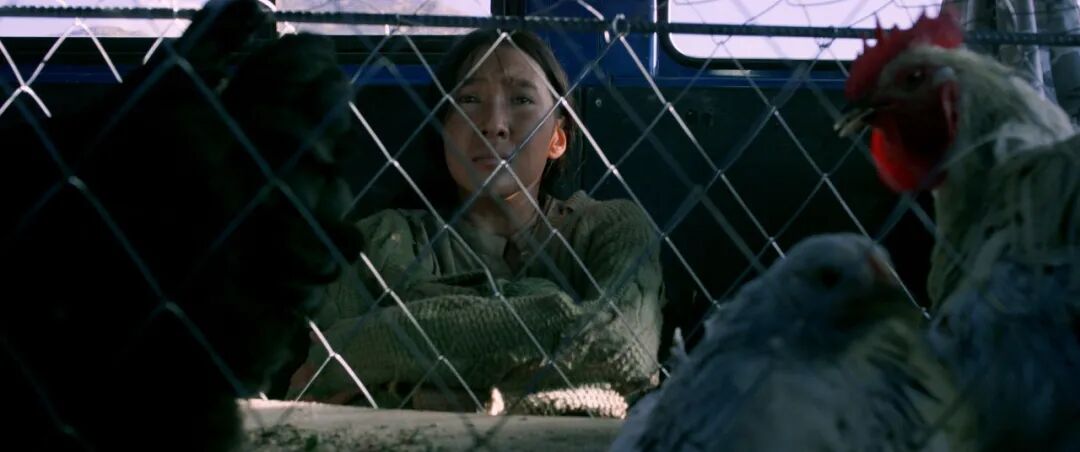
Still of Deal at the Border
Q6:
The film has garnered attention at international film festivals, and audiences from diverse cultural backgrounds may interpret it differently. Did you account for cross-cultural accessibility during creation? What core takeaway do you hope viewers of all cultural origins carry away from this work?
Dastan Zhapar Ryskeldi:
“This film has screened at a host of international festivals. While audiences from different countries may hold divergent interpretations, I am heartened to see critics and viewers alike consistently highlight the film's universal appeal. It proves that sincere storytelling transcends cultural and geographic divides to strike a chord with global audiences.
I hope this film reveals the harsh truths of certain pressing global crises to some viewers, and acts as a wake-up call for others — migrant communities especially — to prioritize personal safety and stay well-informed. My core message remains unchanged: never let humanity's warmth fade away, and always stand ready to lend a hand to those trapped in hardship.”
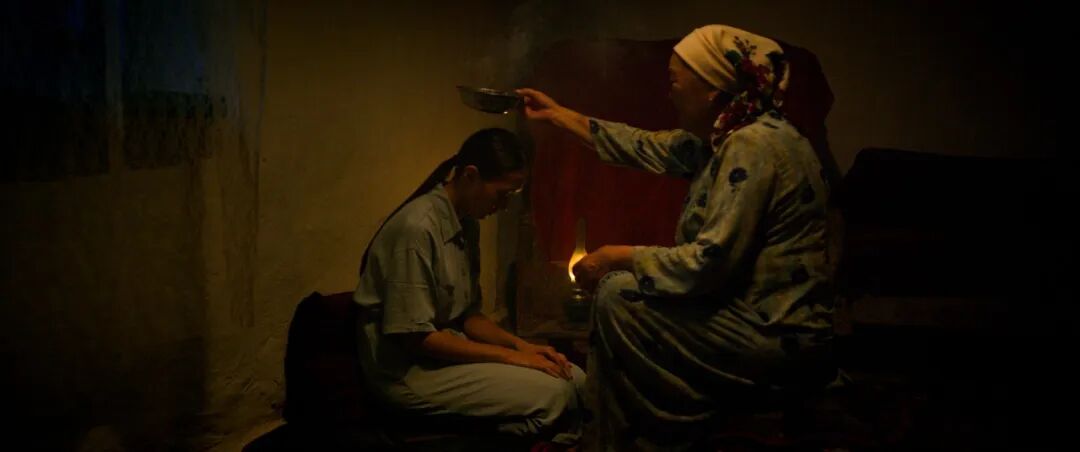
Still of Deal at the Border
Notes
Even separated by vast stretches of the globe, we all share identical heartfelt experiences: the passion and confusion of youth, the preciousness and friction of friendship, the pain and release of growing up, and the pursuit of dreams. Both Kyrgyz domestic and international audiences can find fragments of their own lives within the film, and taste the purest joy and courage of adolescence. The beauty and turmoil of youth know no national borders. Wrapped within a tense border drama, Deal at the Border lays bare raw human struggles: loyal companions standing side by side, anxiety toward the unknown, and hard-won forgiveness and bravery forged through stumbling life lessons. Director Dastan Zhapar Ryskeldi writes with sincere filmmaking as his brush — capturing the weight of real-life hardship while using contemporary cinematic language to let this universal human sentiment cross all cultural boundaries.
Through restrained yet powerful visuals, Deal at the Border lets faint glimmers of humanity pierce the gloom of harsh reality, proving that heartfelt storytelling can transcend every cultural divide. Director Dastan Zhapar Ryskeldi's quiet compassion and earnest vision travel far as the film shines on the international stage. We look forward to this belief — to preserve human kindness and aid those in crisis — continuing to resonate worldwide. We also hope more powerful, humanistic realist works will reach global audiences, letting cinema serve as a bridge connecting empathy and reflection.